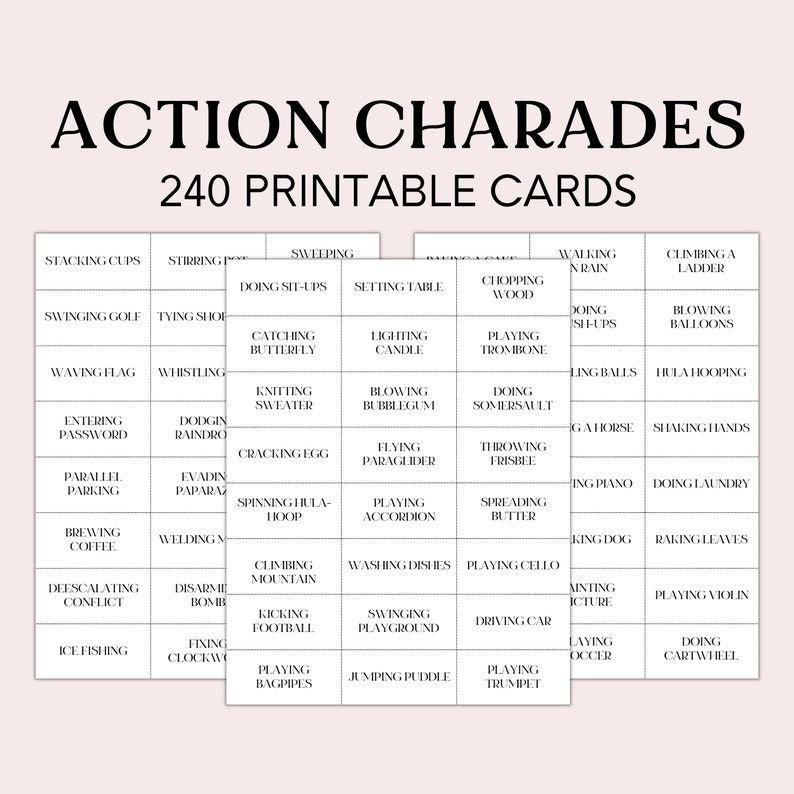
Host a Fun Kids Charades Party or Game Night: Your Ultimate Guide
Let's face it: keeping kids entertained and engaged, especially when mixed with adults, can feel like a high-stakes mission. You want screen-free fun, genuine laughter, and memories that stick—not just another tired board game or chaotic free-for-all. Enter charades, the classic game of silent acting, and your secret weapon for Hosting a Kids' Charades Party or Game Night that's anything but boring.
Charades isn't just about guessing words; it's about unlocking creativity, boosting communication skills, and, most importantly, creating shared moments of absolute hilarity. Forget the awkward silences and frustrated shrugs; with a few insider tips, you can transform your living room into a stage for endless joy, making it the highlight of your next family gathering or playdate.
At a Glance: Your Charades Party Quick-Start Guide
- Prep is Minimal: All you need are paper, pens, a bowl, and a timer.
- Ages Welcome: Charades is incredibly adaptable for toddlers to grandparents.
- Boosts Skills: Enhances non-verbal communication, creativity, and memory.
- Clue Quality is Key: Vet ideas to ensure they're actable and age-appropriate.
- Keep it Short & Sweet: Aim for 1-2 minute turns to maintain energy.
- Focus on Fun: Casual scoring and adaptability are more important than strict rules.
- Clear the Stage: Designate an open space for acting to prevent bumps and bruises.
- Embrace the Silliness: The goal is laughter and connection, not perfect performances.
Why Charades is a Winning Idea for Kids (and Parents!)
Before we dive into the "how-to," let's appreciate why charades is such a fantastic choice for kids' entertainment. It's more than just a game; it's a developmental powerhouse wrapped in a blanket of fun.
- Brings Everyone Together: Unlike games that splinter into age groups, charades naturally invites all family members to participate. Grandparents can team up with toddlers, ensuring everyone feels included and valued.
- Requires Zero Equipment (Almost): No expensive consoles, batteries, or intricate setups. A few slips of paper and pens are all you need, making it incredibly accessible and budget-friendly.
- Gets Bodies Moving: In an age of screens, charades encourages physical expression. Kids (and adults!) get to burn energy, practice gross motor skills, and unleash their inner performer.
- Builds Essential Skills, Subtly:
- Non-Verbal Communication: Learning to express ideas without words is a critical life skill.
- Creativity & Imagination: Dreaming up ways to act out "octopus" or "brushing teeth" sparks incredible ingenuity.
- Body Language & Expressiveness: Kids learn to read and convey emotions and actions.
- Memory & Cognitive Skills: Remembering clues, categories, and past actions sharpens the mind.
- Guarantees Laughter & Bonding: There's something uniquely joyful about watching your stoic Uncle Bob mime a kangaroo or your usually shy child transform into a roaring lion. These shared, goofy moments become cherished family memories.
- Incredibly Versatile: Rainy day inside? Family reunion? Birthday party? Charades fits any setting and can be played almost anywhere, from a cozy living room to a spacious backyard.
Setting the Stage: Your 5-Minute Pre-Game Checklist
A little preparation goes a long way in ensuring your charades night is a smash hit. Think of yourself as the director, ensuring everyone knows their marks before the curtain rises.
1. Gather Your Tools
You don't need much, but having these ready makes for a smooth start:
- Small Slips of Paper: Cut them uniformly. This prevents anyone from trying to "feel" for an easy clue.
- Pens/Markers: One for each team, plus a few extras.
- A Bowl, Hat, or Bag: For holding the folded clue slips.
- A Timer: A smartphone timer works perfectly. Ninety seconds is often the sweet spot for a good turn.
- A Scoreboard (Optional): A simple sheet of paper and a pen if you decide to keep score.
2. Clear the Acting Space
This is crucial for both safety and comfort. Remove any coffee tables, floor lamps, or fragile decorations from a central area. You want enough room for dramatic gestures, silly dances, and maybe even a few cartwheels (if your performers are feeling ambitious!). A clear stage prevents trips, bumps, and accidental knocks.
3. Vet the Clues (Your #1 Host Job!)
This is where the magic (or the misery) happens. The quality of your clues will make or break your game. If guests are contributing ideas, subtly review them before play.
- The "Goldilocks Zone": You want clues that are "just right"—neither too easy ("cat") nor too obscure or impossible ("ontological paradox"). Good kid-friendly examples include "SpongeBob SquarePants," "eating spaghetti," or "a playful dolphin."
- What to Discard Immediately:
- Inside Jokes: Unless everyone present is in on it, these will confuse and exclude others.
- Super Obscure Items: Avoid technical terms, little-known figures, or abstract concepts that are hard to act out.
- Potentially Offensive Material: Keep it light, positive, and family-friendly.
- A quick three-minute vet can prevent 90% of game-derailing frustration.
4. Divide Your Teams
Aim for two even teams. For larger groups, three teams can also work. For an odd number of players, you can have one person rotate out as a scorekeeper, or simply have one team with an extra player (emphasize fun over perfect fairness). Mixing ages is highly recommended, as older kids and adults can help guide younger ones.
5. Announce the House Rules (Simply!)
A brief, clear explanation of the rules before you start prevents confusion and arguments later. Keep it simple for kids:
- The Goal: One person acts out a clue from the bowl, and their teammates try to guess it within the time limit.
- The Actor's Limits: No talking, no humming, no mouthing words, and no pointing at actual objects in the room. It's all physical!
- The Guesser's Freedom: Teammates can shout out as many guesses as they want. Only the exact wording on the slip counts for a point.
- Scoring (Optional): Decide if you're keeping score. For kids, sometimes just playing for fun is best. If you do score, keep it casual.
The Secret Sauce: Crafting Perfect Kid Charades Clues
Now for the fun part: filling that bowl with ideas that will spark joy and imagination! The key is making them age-appropriate and actable.
The "Goldilocks Zone" for Kids
For younger children, focus on nouns (animals, characters, objects) and simple, observable actions. As they get older, you can introduce more complex phrases, movies, or books. Always ask yourself: "Can a child easily mime this?"
Sources for Inspiration
- Your Own Brain Trust: Think about your kids' favorite movies, books, characters, and everyday activities.
- Online Charades Generators: These are a fantastic resource for quick, pre-vetted ideas. You can find generators specifically tailored for kids. Speaking of which, don't miss Our childrens charades generator for a treasure trove of age-appropriate prompts!
- Pre-made Boxed Games: While not essential, some charades games come with ready-to-go cards.
Idea Categories to Spark Their Imagination
Here are some tried-and-true categories that always get laughs, along with plenty of examples to get you started. Remember to write one clue per slip!
1. Cartoon Character Ideas
Kids are experts at mimicking their favorite animated heroes and villains.
- SpongeBob SquarePants, Mickey Mouse, Shrek, Scooby-Doo, Tom, Jerry, Bugs Bunny, Elmo, Peppa Pig, Bluey, Winnie the Pooh, Tigger, Goofy, Donald Duck, Minnie Mouse, Olaf, Elsa, Anna, Lightning McQueen, Mater, Pikachu, Ash Ketchum, Paw Patrol (Chase, Marshall, Skye), Patrick, Plankton, Kim Possible, Ron Stoppable, Phineas, Ferb, Perry the Platypus, Candace Flynn, Jimmy Neutron, Timmy Turner, Cosmo, Wanda, Danny Phantom, Raven, Beast Boy, Robin, Starfire, Cyborg, Shaggy, Velma, Fred, Daphne, Gru, Minion (Kevin, Bob, Stuart), Steven Universe, Gumball, Darwin, Clarence, Craig, Bart Simpson, Lisa Simpson, Marge Simpson, Homer Simpson, Marlin, Nemo, Dory, Zuko, Aang, Katara, Toph, Puss in Boots, Fiona.
2. Animal Kingdom Antics
Animals are a charades classic because their actions are so distinctive and fun to mimic.
- Elephant, Giraffe, Lion, Tiger, Monkey, Kangaroo, Penguin, Polar Bear, Panda, Sloth, Dog, Cat, Rabbit, Mouse, Squirrel, Horse, Cow, Pig, Sheep, Goat, Duck, Chicken, Rooster, Turkey, Peacock, Owl, Parrot, Bat, Frog, Toad, Snake, Lizard, Crocodile, Alligator, Dolphin, Whale, Shark, Octopus, Jellyfish, Crab, Lobster, Starfish, Seahorse, Goldfish, Salmon, Tuna, Butterfly, Bee, Ladybug, Ant, Spider, Worm, Snail, Deer, Moose, Reindeer, Hedgehog, Porcupine, Raccoon, Skunk, Fox, Wolf, Bear, Chimpanzee, Gorilla, Flamingo, Ostrich, Hyena, Meerkat, Armadillo, Platypus, Koala, Beaver, Donkey.
3. Book & Fairy Tale Adventures
From classic fairy tales to beloved modern children's books, these offer rich visual opportunities.
- Cinderella, Snow White, Sleeping Beauty, Rapunzel, Beauty and the Beast, The Little Mermaid, Peter Pan, Tinker Bell, Pinocchio, Aladdin, Genie, Jasmine, Prince Charming, The Evil Queen, Fairy Godmother, Goldilocks, Papa Bear, Little Red Riding Hood, The Big Bad Wolf, The Three Little Pigs, Jack, The Giant, Humpty Dumpty, The Gingerbread Man, Hansel, Gretel, The Wicked Witch, Puss in Boots, Thumbelina, The Frog Prince, The Ugly Duckling, The Pied Piper, The Little Match Girl, The Emperor, Rumpelstiltskin, The Snow Queen, The Tin Soldier, Red Queen, Alice, The White Rabbit, Cheshire Cat, Mad Hatter, Tweedle Dee, Tweedle Dum, Winnie the Pooh, Piglet, Eeyore, Christopher Robin, Paddington Bear, Curious George, The Cat in the Hat, Thing 1, Thing 2, Horton, The Lorax, Sam-I-Am, Harry Potter, Hermione Granger, Ron Weasley, Hagrid, Draco Malfoy, The Gruffalo, Matilda, Miss Trunchbull, Willy Wonka, Charlie Bucket, The BFG, James, Charlotte, Wilbur.
4. Everyday Actions & Objects
These are fantastic for all ages, as they involve movements and items familiar from daily life.
- Brushing teeth, Tying shoelaces, Jumping rope, Flying a kite, Eating spaghetti, Blowing up a balloon, Climbing a ladder, Digging a hole, Playing video games, Watering plants, Washing hands, Reading a book, Baking cookies, Wrapping a gift, Putting on a jacket, Riding a bike, Playing the piano, Driving a car, Playing basketball, Swinging on a swing, Playing soccer, Skipping, Catching a butterfly, Painting a picture, Making a snowman, Sledding, Building with blocks, Drawing with crayons, Typing on a keyboard, Making a phone call, Blowing bubbles, Riding a horse, Playing a drum, Playing a guitar, Playing the violin, Using binoculars, Vacuuming, Sweeping the floor, Using scissors, Hammering a nail, Brushing hair, Putting on makeup, Fishing, Ice skating, Surfing, Swimming, Diving, Hula hooping, Doing a cartwheel, Dancing, Jumping on a trampoline, Playing catch, Blowing a kiss, Sleeping, Waking up, Sneezing, Yawning, Drinking juice, Washing a dog, Feeding a baby, Mailing a letter, Zipping a backpack, Rolling dough, Popping popcorn, Flying an airplane, Looking through a telescope, Balancing on one foot, Playing with a yo-yo.
Mastering the Act: Tips for Performing (and Guiding) Little Actors
Even the shyest kids can become charades superstars with a little encouragement.
1. The Universal Signals (Simplified for Kids)
While there's an elaborate "secret language" of charades, keep it simple for kids. Focus on the most intuitive ones, and teach them before play, or as needed.
- Category Clues:
- Movie: Pretend to crank an old film camera.
- Book: Open hands like a book.
- Song: Mime singing into a microphone.
- Animal: Pawing motion or a specific animal gesture.
- Person/Character: Pretend crown on head.
- Action/Activity: Point to your wrist where a watch would be.
- Number of Words: Hold up that many fingers.
- Which Word: Hold up one finger for the first word, two for the second, etc.
- "Sounds like": Tug your earlobe after a word is guessed that sounds like the clue word.
- "Small word": Pinch your thumb and index finger together (for words like "a," "the," "an").
2. Breaking Down Complex Ideas
If a clue has multiple words (e.g., "The Little Mermaid"), encourage actors to tackle the easiest, most iconic word first. For "The Little Mermaid," perhaps start with swimming motions or a mermaid tail, rather than trying to act out "The." Abstract concepts like "sadness" can be simplified to a crying face or slumped shoulders.
3. Encouraging Creativity, Not Perfection
The goal isn't an Oscar-winning performance; it's imaginative effort. Praise every attempt. If a child is struggling, offer gentle hints or suggest they try a different approach. Remember, the laughter from a silly, misinterpreted act is often better than a perfectly executed one!
Hosting Like a Pro: Smooth Sailing Through Any Hiccup
As the host, you're the master of ceremonies, ready to adapt and ensure everyone has a fantastic time.
When a Player Gets Stuck
It happens! A child (or even an adult) might freeze, unsure how to act out their clue.
- The Quick Fix: Don't let frustration fester. As the host, step in with a cheerful, "That's a tricky one! Let's throw that one out and grab a new card to keep the game moving!" This keeps the momentum, saves the player from embarrassment, and prevents the game from stalling.
- Offer Hints (Optionally): For younger kids, you might allow a verbal hint, like "Is it an animal?" if they're really stuck.
Nurturing Shy Performers
Some kids are naturally hesitant to be in the spotlight.
- Offer a Role: Before the game, you could privately offer them the scorekeeper role or designate them as the official timer.
- Easy Clues First: When it's their turn, make sure they get a very easy, physical clue (like "dog" or "eating an apple"). Success builds confidence.
- Team Support: Emphasize that their team is there to help them guess, taking some of the pressure off.
- Reverse Charades: This variation (where the whole team acts for one guesser) is an excellent icebreaker and removes pressure from a single performer.
Taming the Overly Competitive
While a little friendly competition is fun, sometimes one player gets a bit too intense.
- Humor is Your Friend: Diffuse the tension with a lighthearted comment: "Alright, settle down there, champ! Remember, the points are fake, but the laughs are real!"
- Reiterate the Goal: Gently remind everyone that the main objective is shared fun and making memories.
- Casual Scoring: If competition is a consistent issue, switch to not keeping score at all, or only tallying "funny moments" instead of points.
Keeping Energy Levels High
Charades is energetic! Kids might need breaks.
- Scheduled Breaks: Build in short breaks for snacks, drinks, or a quick bathroom run. This is especially important for younger children.
- Active Snacks: Keep snacks simple and easy to eat, allowing kids to quickly get back to the action.
Safety First: Physical & Emotional
Beyond clearing the physical space, consider emotional safety.
- Vet Clues: As discussed, ensuring clues are appropriate and actable prevents humiliation.
- No Teasing: Foster an environment where everyone feels safe to be silly without fear of being laughed at. Reinforce positive encouragement. The goal is shared joy, not making someone feel foolish.
- Adaptability is Key: Remember that the rules are a framework. Be ready to bend or adapt them to suit your group's age, energy levels, and personalities. Prioritizing fun and connection is the game's ultimate purpose.
Beyond the Basics: Fun Variations to Try
Once your group has mastered standard charades, mix things up with these exciting variations!
1. Reverse Charades: The Team Acts!
This is fantastic for groups that are a little shy or if you want to change the dynamic.
- How it Works: One player is chosen to be the guesser. The entire rest of the team then works together, silently, to act out a clue for that one guesser.
- Why it's Great: It removes the pressure from a single performer and turns it into a collaborative, often chaotic and hilarious, team effort. It's a fantastic icebreaker!
2. Sound-Only Charades
Take the "no sound" rule and flip it on its head!
- How it Works: The actor can make any sound they want, but no words and no movement.
- Why it's Great: Perfect for clues like "a fire engine," "a hissing cat," "a rainstorm," or "a buzzing bee." Prepare for some truly unique sound effects!
3. Themed Rounds
Inject fresh excitement by dedicating rounds to specific categories.
- How it Works: Announce a theme for the next set of clues, e.g., "All 'Ocean Animals' for this round!" or "Only 'Superheroes'!"
- Why it's Great: It can challenge players to think creatively within a specific context and makes clue generation easier if you pre-sort them. Themes like "Disney Movies," "Things You Find in the Kitchen," or "Sports" work wonderfully for kids.
Making Memories: The Real Score of Charades Night
When the last clue has been guessed, the timer has buzzed its final warning, and the laughter has subsided, you'll realize the true victory of hosting a charades night isn't about points or who guessed the most. It's about the shared experience.
It's the memory of your little one's determined face as they tried to mime a jumping bean, the uproarious cheers when someone finally nailed a tricky phrase, and the collective joy of watching everyone let loose and be silly together. These moments, filled with connection and unadulterated fun, are the real treasures.
So, gather your supplies, prepare your clues, and get ready to direct the best show in town. Your next family game night is about to become an unforgettable charades party!